Lektionen von Didactalia

Verbos Modales: Modals (ought to, shall, had better,may, might, would, must, have to, can)

Stornieren SPAREN
  • Gefällt mir 0
  • Besuche/Aufrufe 4917
  • Kommentare 0
  • Speichert in
  • Aktionen

tipo de documento Lecciones

Informationen zum Lehrplan

Niveau: 15-16 años Gegenstand: Lengua Extranjera - Inglés
Stornieren SPAREN

Introduction to the lesson

This lesson will expand knowledge of the following contents:

English modal verbs

The modal verbs of English are a small class of auxiliary verbs used mostly to express modality (properties such as possibility, obligation, etc.). They can be distinguished from other verbs by their defectiveness (they do not have participle or infinitive forms) and by their neutralization (that they do not take the ending -(e)s in the third-person singular).

References

Terminology:

Protagonists:

Credits: the previous information has been extracted from the following wikipedia articles

Introduction to the lesson

This lesson will expand knowledge of the following contents:

English modal verbs

The modal verbs of English are a small class of auxiliary verbs used mostly to express modality (properties such as possibility, obligation, etc.). They can be distinguished from other verbs by their defectiveness (they do not have participle or infinitive forms) and by their neutralization (that they do not take the ending -(e)s in the third-person singular).

References

Terminology:

Protagonists:

Credits: the previous information has been extracted from the following wikipedia articles

Didaktische einheiten

Society, unidad didáctica de inglés 4º ESO (Cidead)

Verbos modales: Ought to

Review Modal verbs - Shall

Verbos modales: Had better

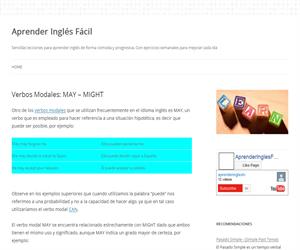
Verbos Modales: May - Might (aprenderinglesfacil)

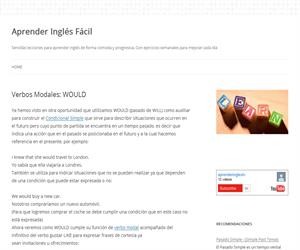
Verbos Modales: Would (aprenderinglesfacil)

Verbos modales: Would

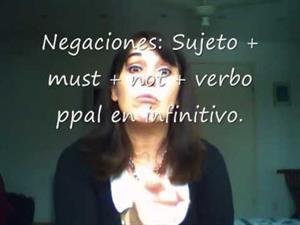
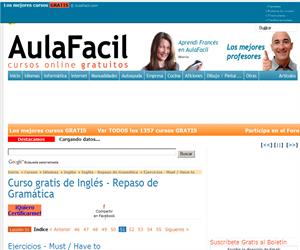
Verbos modales: Must & Have to

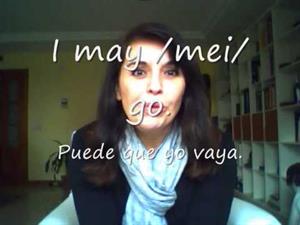
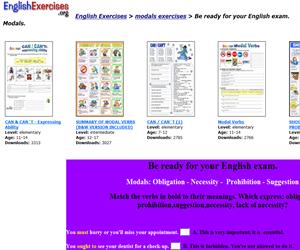
Verbos modales: "May" & " Might"

Konzeptionelle Karte: Verbos Modales: Modals (ought to, shall, had better,may, might, would, must, have to, can)

Exklusive Inhalte für Mitglieder von

D/i/d/a/c/t/a/l/i/a
Anmelden

Mira un ejemplo de lo que te pierdes

Kommentieren

0

Möchtest du einen Kommentar abgeben? Registriere dich oder inicia sesión

Mach mit bei Didactalia

Browse among 226539 resources and 574244 people

Regístrate >

O conéctate a través de:

Si ya eres usuario, Inicia sesión

Temas de: inglés - 4º eso

Presente Simple: Simple Present Tense

Nivel educativo: 14-16 años/3º-4º ESO

Art von dokument

Pasado Continuo: Past Continuous

Nivel educativo: 14-16 años/3º-4º ESO

Art von dokument

Pronombres Relativos

Nivel educativo: 14-16 años/3º-4º ESO

Art von dokument

Passive Voice: Voz Pasiva

Nivel educativo: 14-16 años/3º-4º ESO

Art von dokument

Futuro Cercano y otras formas de expresarlo

Nivel educativo: 14-16 años/3º-4º ESO

Art von dokument

Oraciones Condicionales: Primer y Segundo tipo

Nivel educativo: 14-16 años/3º-4º ESO

Art von dokument

Reported Speech

Nivel educativo: 14-16 años/3º-4º ESO

Art von dokument

Presente Perfecto: Present Perfect Tense

Nivel educativo: 14-16 años/3º-4º ESO

Art von dokument

Adjetivos

Nivel educativo: 14-16 años/3º-4º ESO

Art von dokument

Vocabulary: weather, pollution,…

Nivel educativo: 14-16 años/3º-4º ESO

Art von dokument

Möchten Sie auf weitere Bildungsinhalte zugreifen?

Einloggen Tritt einer Klasse bei
x

Add to Didactalia Arrastra el botón a la barra de marcadores del navegador y comparte tus contenidos preferidos. Más info...


Spielhilfe
Juegos de anatomía
Selecciona nivel educativo