What can I do?

226539 materialEducativo

textoFiltroFicha
  • I like 0
  • Visits 634
  • Comments 0
  • Save to
  • Actions

About this resource...

Pseudoperipteral
Dbpedia
Wikipedia articleDbpedia source
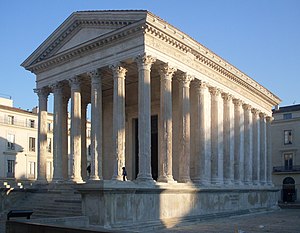
In classical architecture, a pseudoperipteral temple is one with free standing columns in the front (colonnaded portico) whereas the columns along the sides are engaged in the peripheral walls of the naos or cella. The form is found in Greek temples, especially in the Hellenistic period, but in Roman temples a pseudoperipteral form became usual, where there were columns behind the portico at all. Typically there is a portico in front with free-standing columns, and engaged columns along the other three sides of the walls. The temple of Olympian Zeus at Agrigento was a famous Greek example of this style where also the facade was presenting itself with engaged columns. A pseudoperipteral building with a portico at each end is called amphiprostyle. Examples of this style include the small Temple of Athena Nike and Temple of Venus and Roma. Pseudoperipteral buildings appear similar to peripteral buildings with free-standing columns surrounding the cella as a peristyle.
Pseudoperíptero

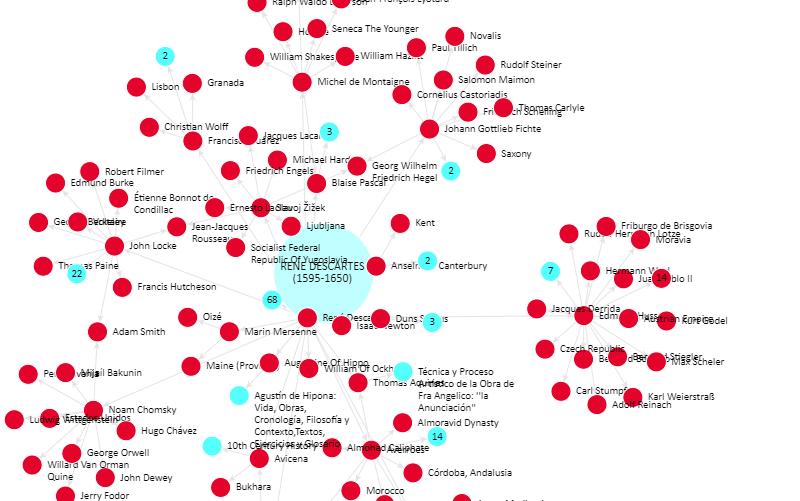
Conceptual map: Pseudoperíptero

Exclusive content for members of

D/i/d/a/c/t/a/l/i/a
Sign in

Mira un ejemplo de lo que te pierdes

Categories:

Fecha publicación: 25.4.2020

Comment

0

Do you want to comment? Sign up or Sign in

Join Didactalia

Browse among 226539 resources and 574237 people

Regístrate >

O conéctate a través de:

Si ya eres usuario, Inicia sesión

Do you want to access more educational content?

Sign in Join a class
x

Add to Didactalia Arrastra el botón a la barra de marcadores del navegador y comparte tus contenidos preferidos. Más info...


Game help
Juegos de anatomía
Selecciona nivel educativo