What can I do?

226539 materialEducativo

textoFiltroFicha
  • I like 0
  • Visits 16
  • Comments 0
  • Save to
  • Actions

About this resource...

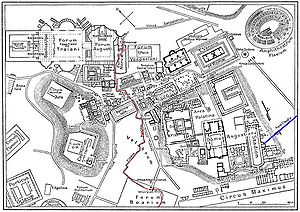
Cloaca Maxima
DbpediaThing
Wikipedia articleDbpedia source
The Cloaca Maxima (also called the Maxima Cloaca) is one of the world's earliest sewage systems. Constructed in Ancient Rome in order to drain local marshes and remove the waste of one of the world's most populous cities, it carried effluent to the River Tiber, which ran beside the city.The name literally means Greatest Sewer. According to tradition it may have been initially constructed around 600 BC under the orders of the king of Rome, Tarquinius Priscus.This public work was largely achieved through the use of Etruscan engineers and large amounts of semi-forced labour from the poorer classes of Roman citizens. Underground work is said to have been carried out on the sewer by Tarquinius Superbus, Rome's seventh and last king.Although Livy describes it as being tunnelled out beneath Rome, he was writing centuries after the event. From other writings and from the path that it takes, it seems more likely that it was originally an open drain, formed from streams from three of the neighbouring hills, that were channelled through the main Forum and then on to the Tiber. This open drain would then have been gradually built over, as building space within the city became more valuable. It is possible that both theories are correct, and certainly some of the main lower parts of the system suggest that they would have been below ground level even at the time of the supposed construction.The eleven aqueducts which supplied water to Rome by the 1st century AD were finally channelled into the sewers after having supplied the many public baths such as the Baths of Diocletian and the Baths of Trajan, the public fountains, imperial palaces and private houses. The continuous supply of running water helped to remove wastes and keep the sewers clear of obstructions. The best waters were reserved for potable drinking supplies, and the second quality waters would be used by the baths, the outfalls of which connected to the sewer network under the streets of the city. The aqueduct system was investigated by the general Frontinus at the end of the 1st century AD, who published his report on its state direct to the emperor Nerva.
Cloaca Maxima

Conceptual map: Cloaca Maxima

Exclusive content for members of

D/i/d/a/c/t/a/l/i/a
Sign in

Mira un ejemplo de lo que te pierdes

Categories:

Fecha publicación: 25.4.2015

Comment

0

Do you want to comment? Sign up or Sign in

Join Didactalia

Browse among 226539 resources and 574244 people

Regístrate >

O conéctate a través de:

Si ya eres usuario, Inicia sesión

Do you want to access more educational content?

Sign in Join a class
x

Add to Didactalia Arrastra el botón a la barra de marcadores del navegador y comparte tus contenidos preferidos. Más info...


Game help
Juegos de anatomía
Selecciona nivel educativo