226539 materialEducativo

textoFiltroFicha
  • M'agrada 0
  • Visites 0
  • Comentaris 0
  • Desar a
  • Accions

Sobre aquest recurs...

MUMPS
ProgrammingLanguage
Artículo WikipediaFuente Dbpedia
MUMPS (Massachusetts General Hospital Utility Multi-Programming System), or alternatively M, is a general-purpose computer programming language that provides ACID (Atomic, Consistent, Isolated, and Durable) transaction processing. Its differentiating feature is its "built-in" database, enabling high-level access to disk storage using simple symbolic program variables and subscripted arrays, similar to the variables used by most languages to access main memory. The M database is a key-value database engine optimized for high-throughput transaction processing. As such it is in the class of "schema-less", "schema-free," or NoSQL databases. Internally, M stores data in multidimensional hierarchical sparse arrays (also known as key-value nodes, sub-trees, or associative memory). Each array may have up to 32 subscripts, or dimensions. A scalar can be thought of as an array element with zero subscripts. Nodes with varying numbers of subscripts (including one node with no subscripts) can freely co-exist in the same array. Perhaps the most unusual aspect of the M language is the notion that the database is accessed through variables, rather than queries or retrievals. This means that accessing volatile memory and non-volatile storage use the same basic syntax, enabling a function to work on either local (volatile) or global (non-volatile) variables. Practically, this provides for extremely high performance data access. Originally designed in 1966 for the healthcare industry, M continues to be used today by many large hospitals and banks to provide high-throughput transaction data processing.
Fecha del lanzamiento 1995-12-08
Ultima versión de lanzamiento ANSI X11.1-1995

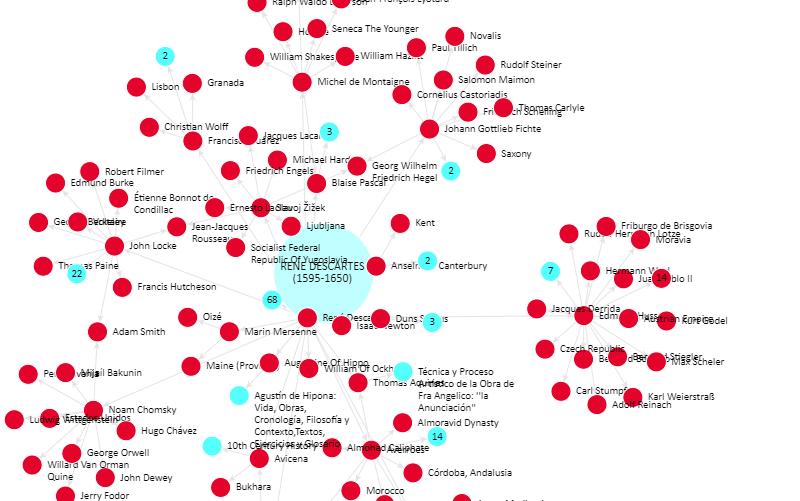
Mapa conceptual: MUMPS

Contingut exclusiu per a membres de

D/i/d/a/c/t/a/l/i/a
Iniciar sessió

Mira un ejemplo de lo que te pierdes

Categories:

Fecha publicación: 3.8.2019

Comentar

0

Vols comentar? Registra't o inicia sessió

Uneix-te a Didactalia

Navega entre 226539 recursos i 574244 persones

Regístrate >

O conéctate a través de:

Si ya eres usuario, Inicia sesión

Vols accedir a més continguts educatius?

Iniciar sessió Uneix-te a una classe
x

Afegir a Didactalia Arrastra el botón a la barra de marcadores del navegador y comparte tus contenidos preferidos. Más info...


Ajuda del joc
Juegos de anatomía
Selecciona nivel educativo